Being & Becoming: Master's thesis''The art is not to strive for a sameness and stasis that can hide in the collective, i.e., to ‘merely tolerate’ difference, but to let each other be and become in and through the unerasable fact of difference. Not to let each other go—and not to eliminate difference, but to work with it as the life force that it is.''
- Di Paolo and De Jaegher [2021]
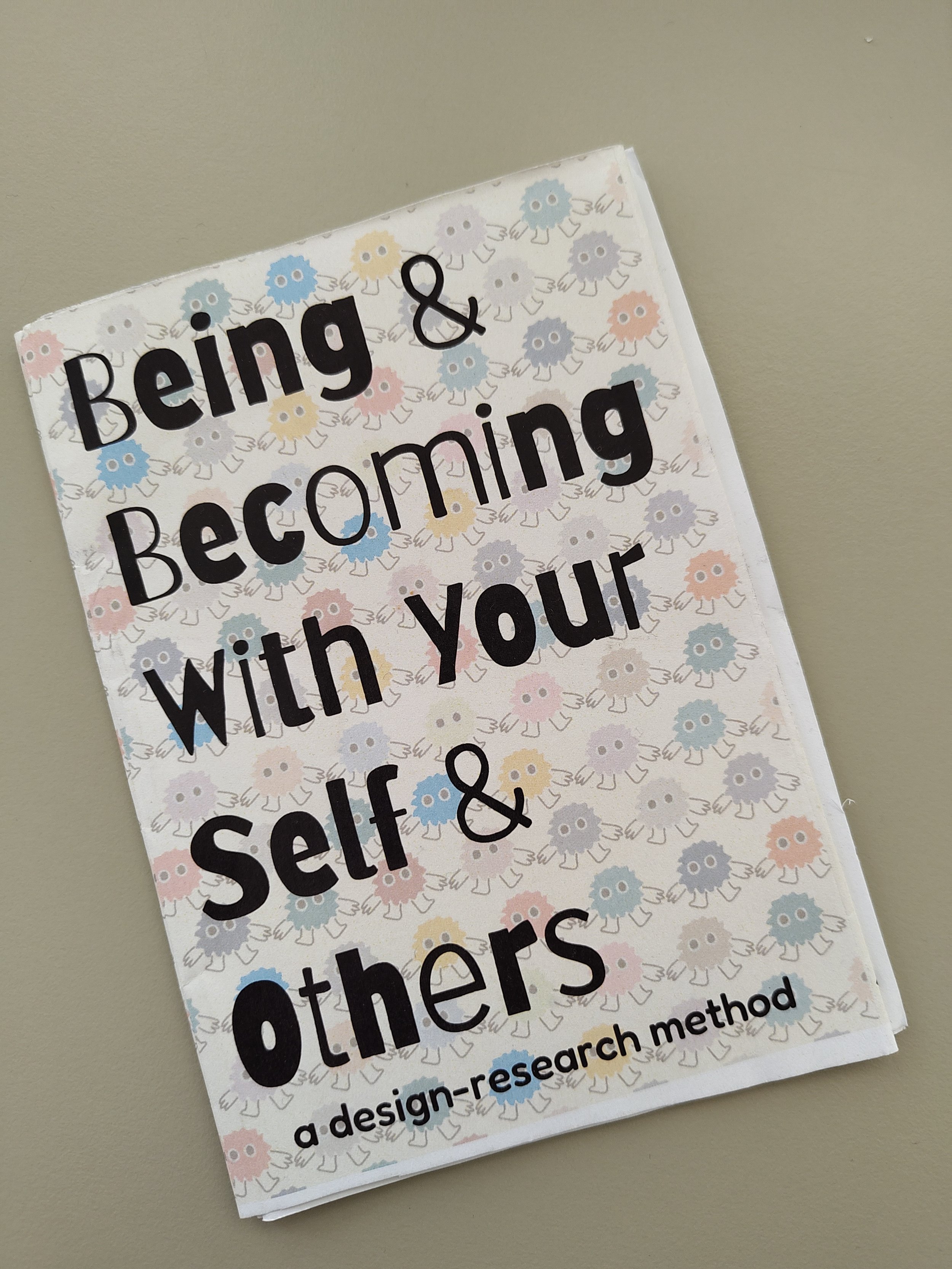
In my master’s thesis, I developed Being & Becoming: a neuro-inclusive design-research method aimed at reducing exclusion and stigma in technology design for autistic people (ASC).
The central research question was: “How can a neuro−inclusive design−research method be developed that facilitates neuro−inclusive participatory sense−making by the lived experiences of individuals with Autism Spectrum Condition, participatory practices, embodied cognition, and embodied design methods?”
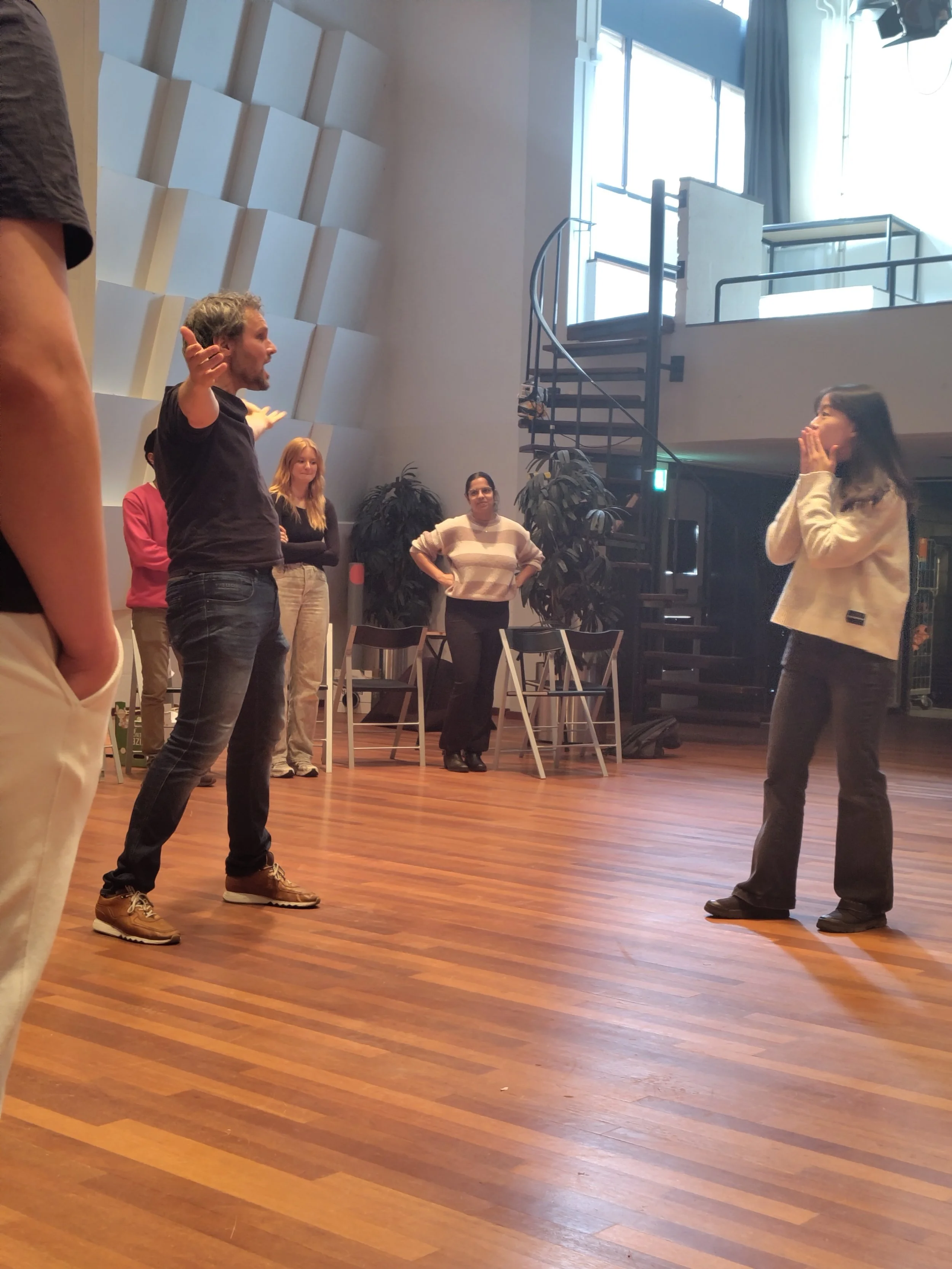
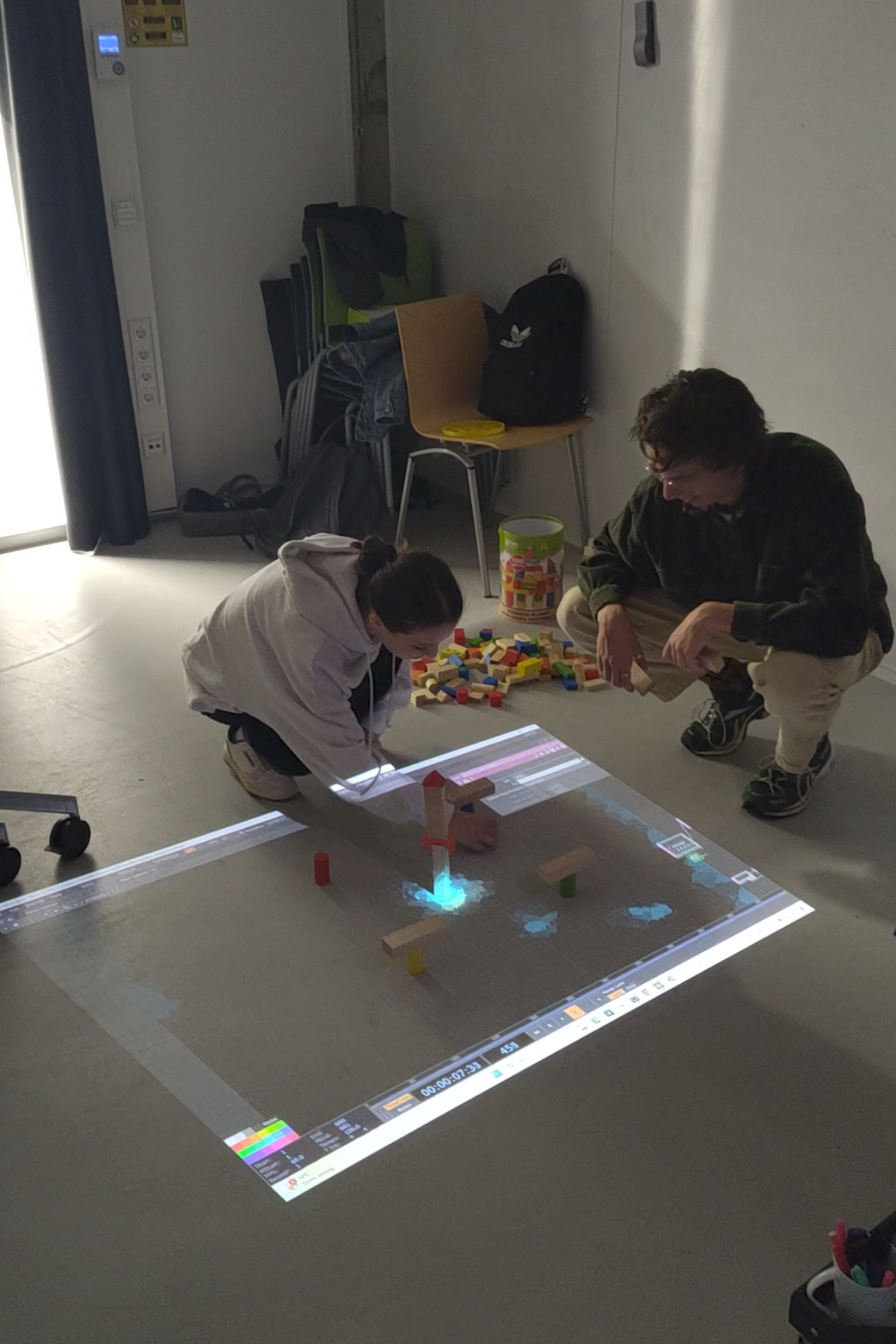
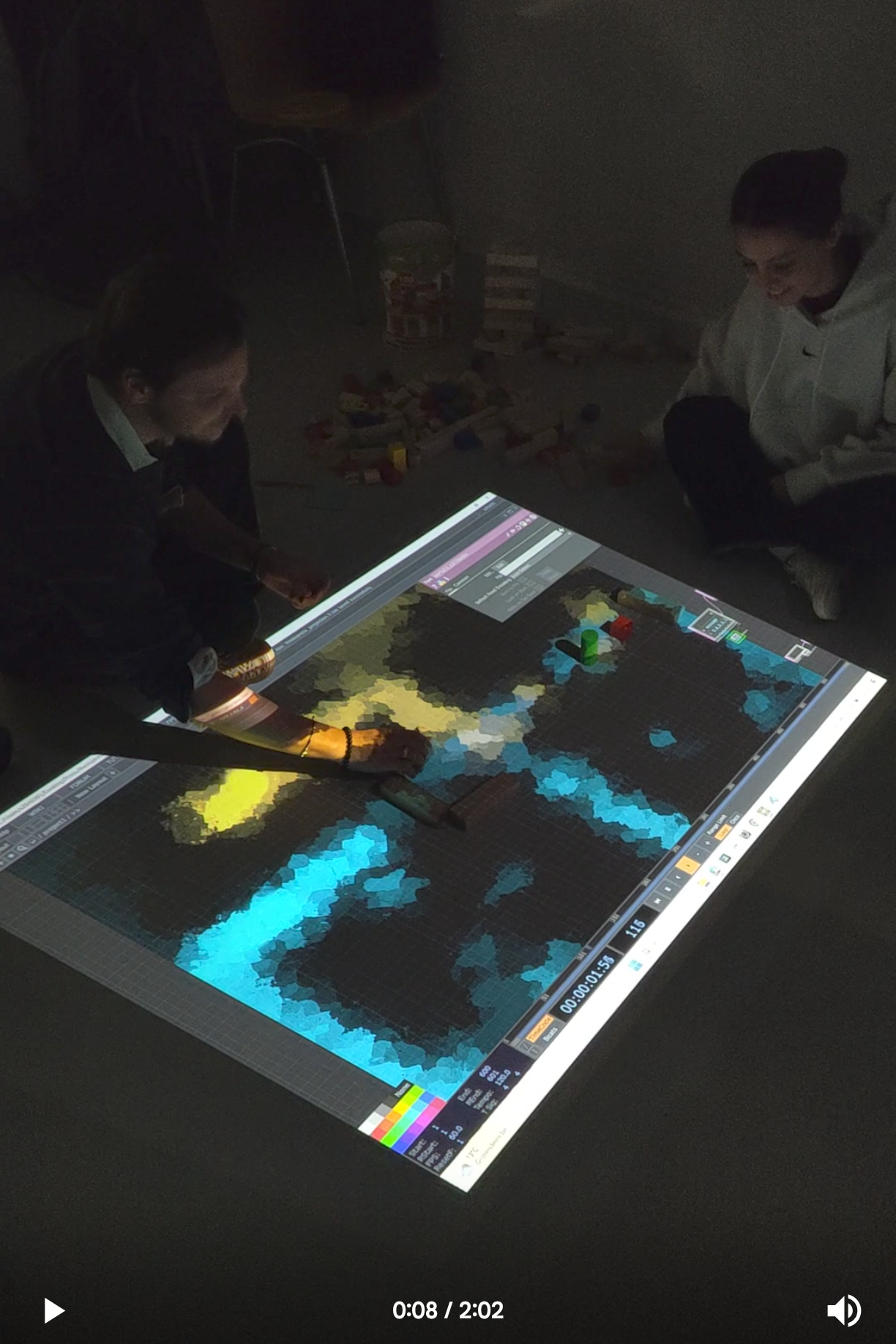
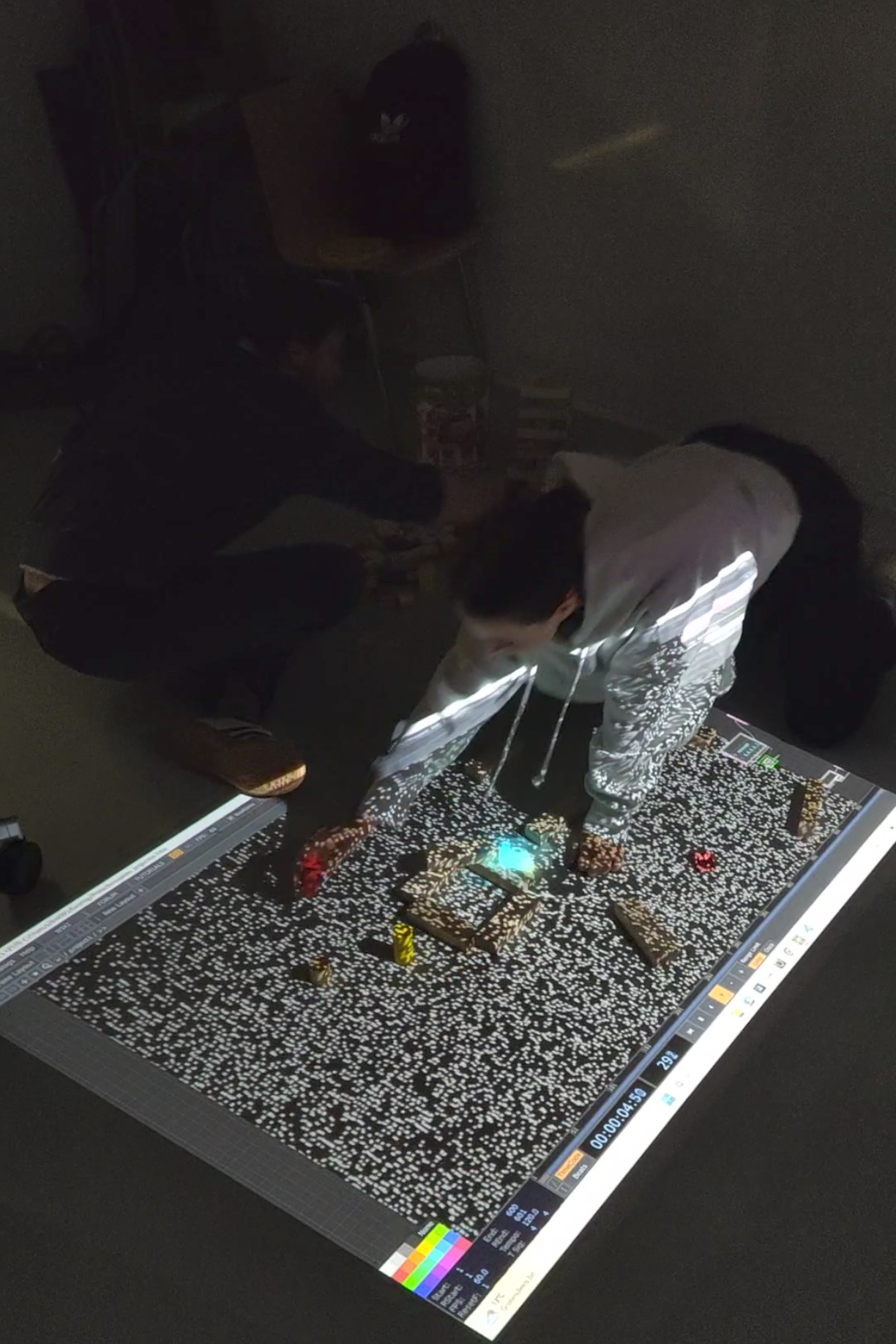
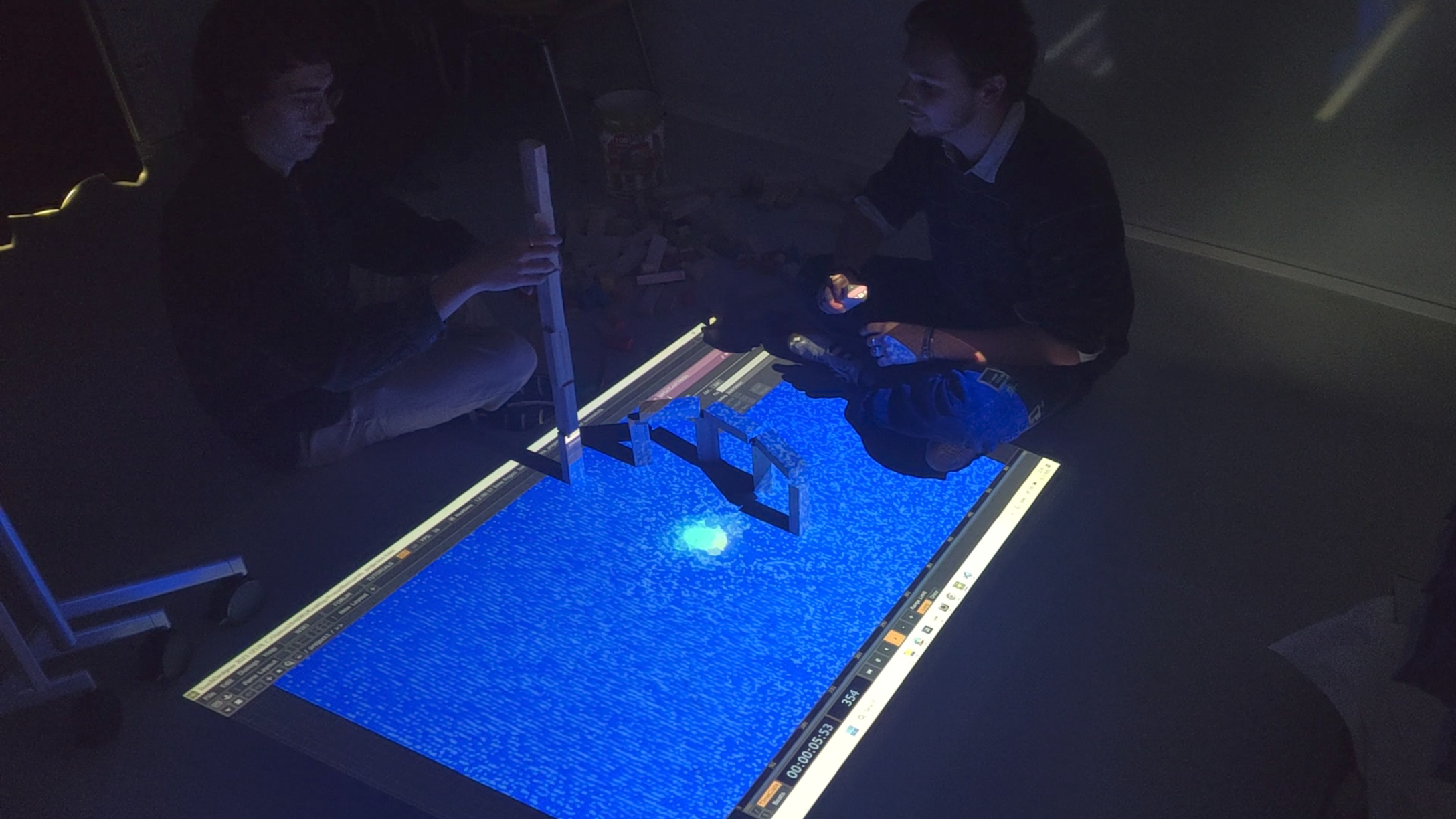
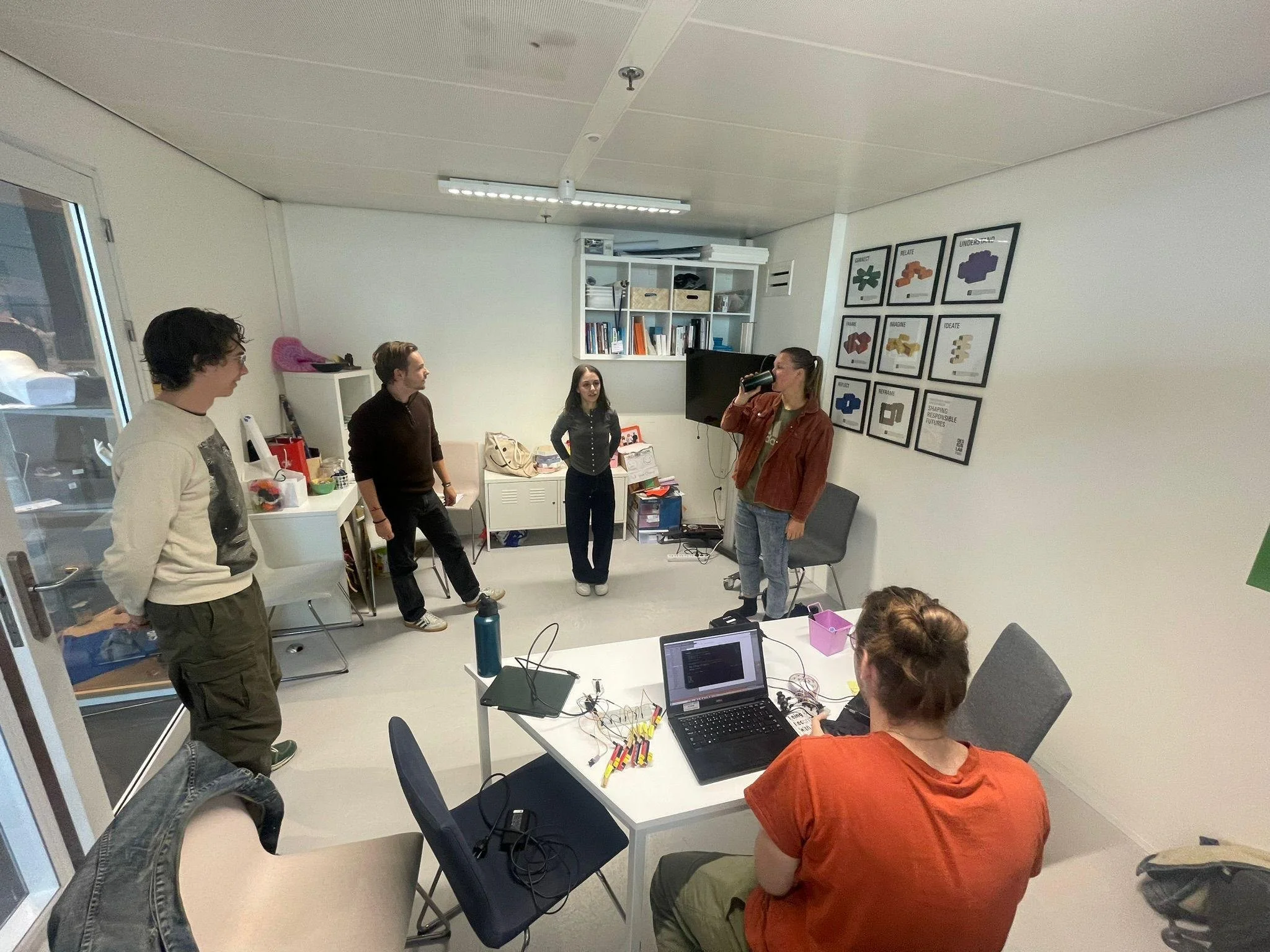
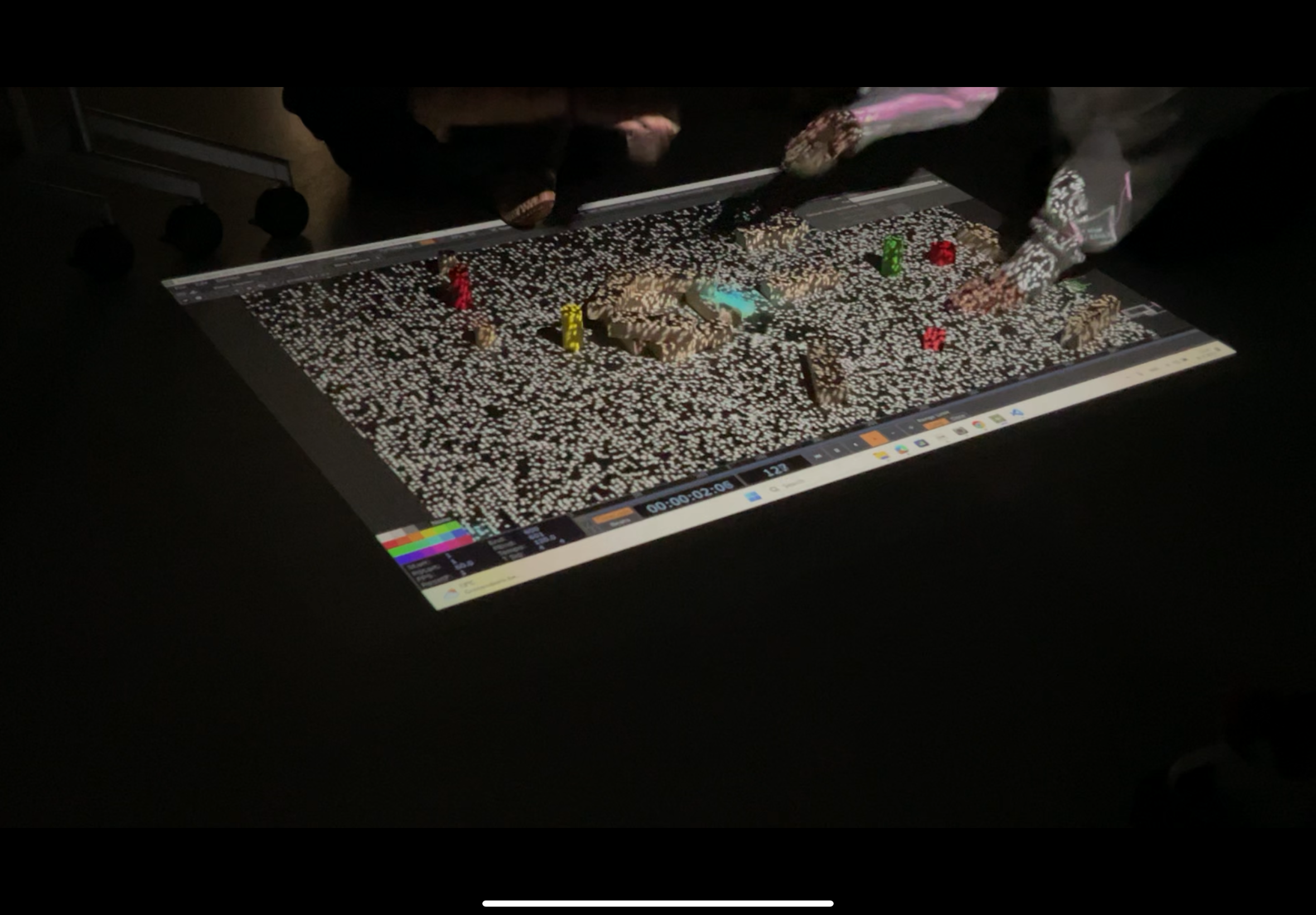
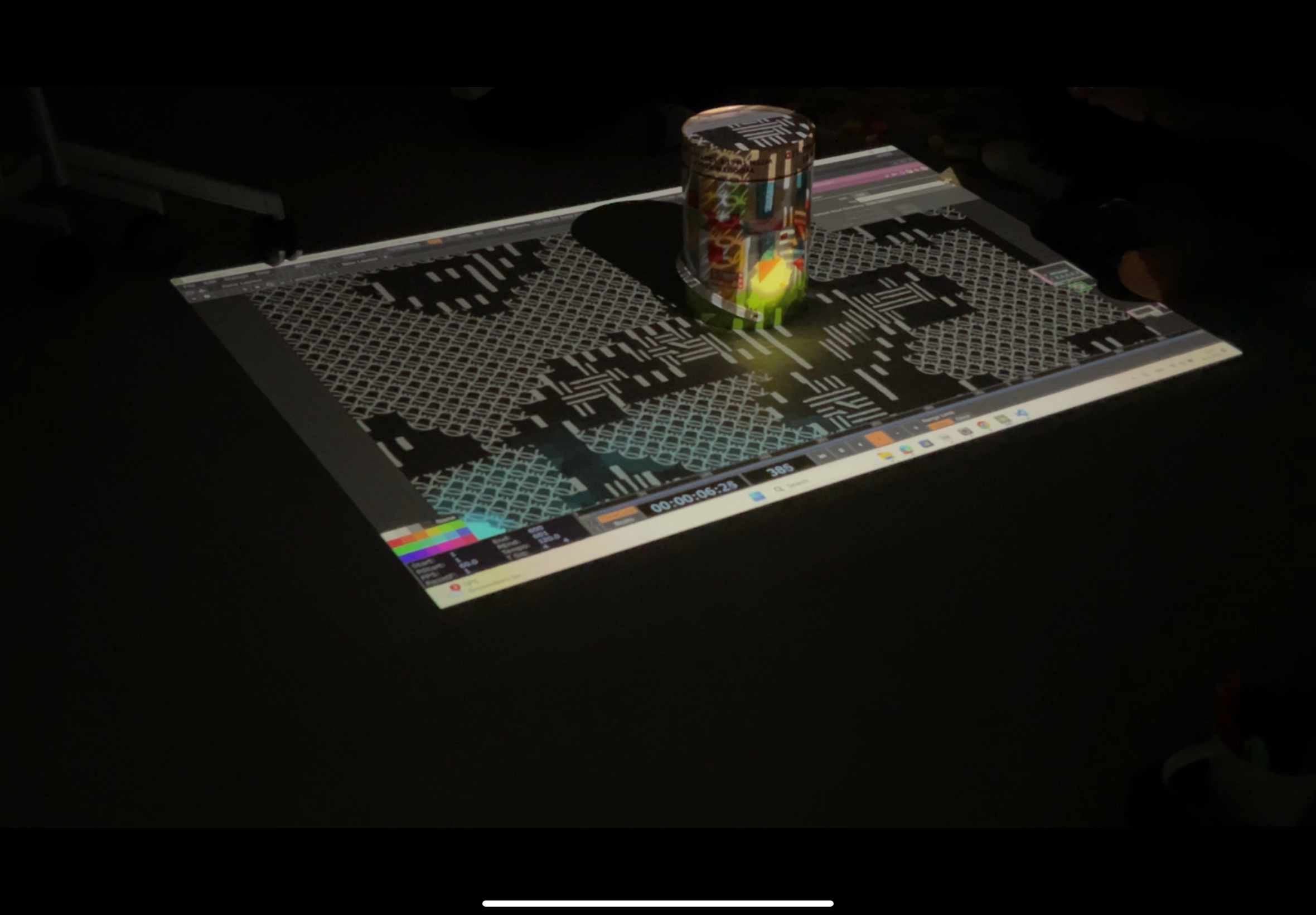
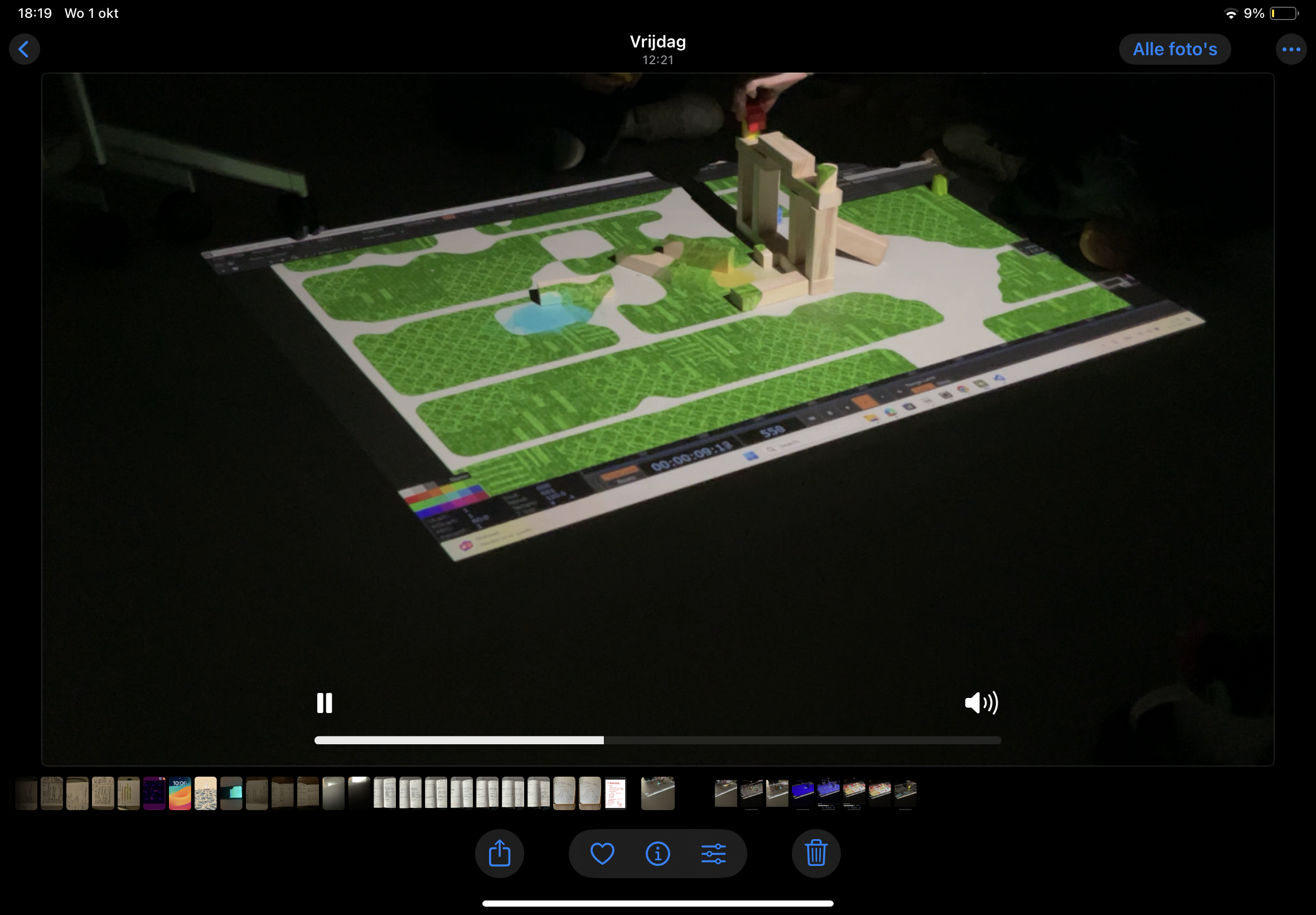
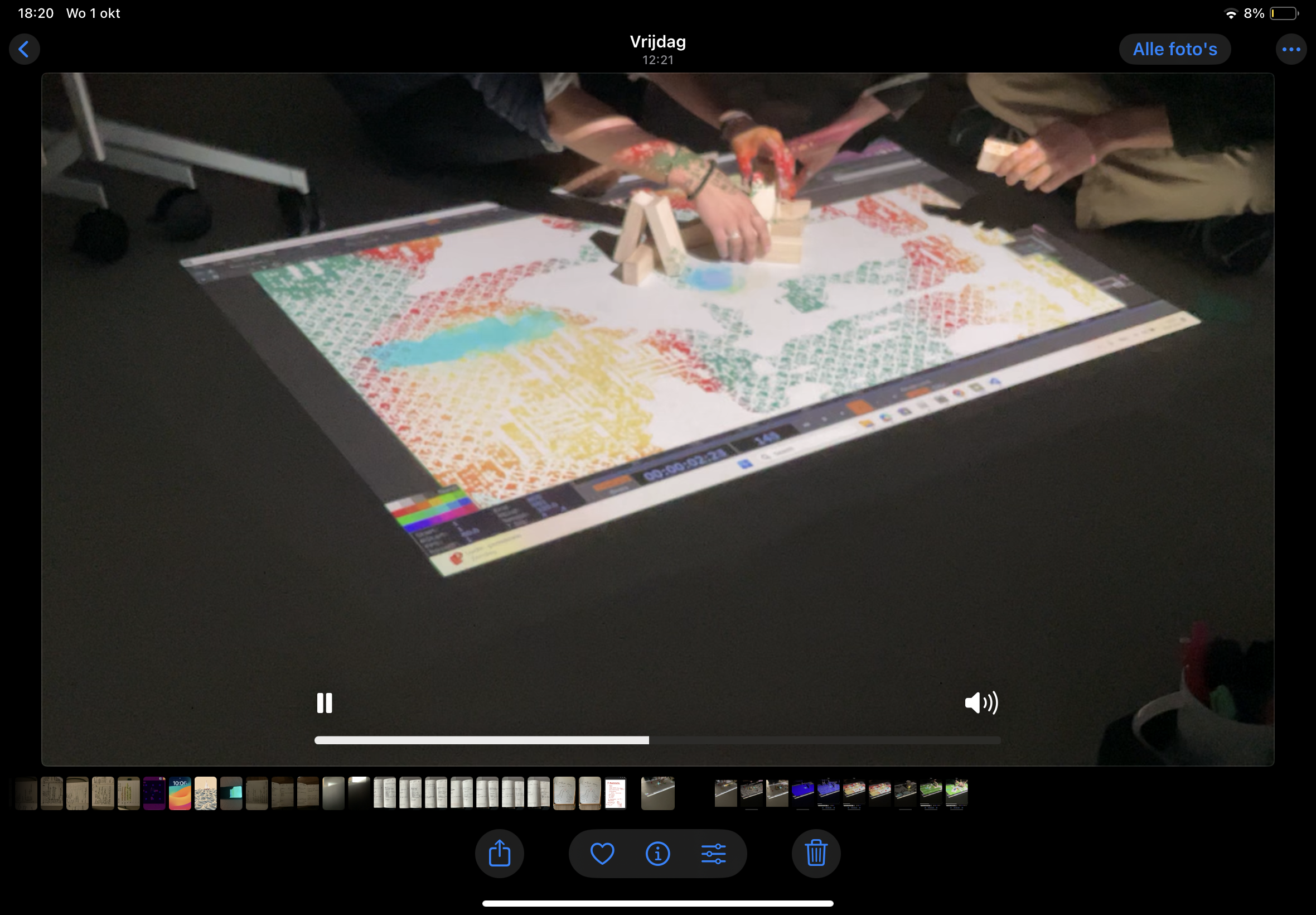
Grounded in the neurodiversity perspective, participatory design, and embodied cognition, the method promotes agency, co-creation, and participatory sense-making by valuing lived experience as a key source of design insight. Using a Research-Through-Design approach across three iterative cycles, I reframed a Wizard-of-Oz setup into an embodied, improvisational co-design process supported by sound and visual cues, followed by structured reflection rounds adapted from PRISMA. The thesis highlights how playfulness, flexibility, and embodied reflection can enable richer co-design outcomes and more ethical research with neurodivergent participants.